
Online memberships have become a routine part of daily life, offering convenience in exchange for personal information. As digital platforms multiply, the range of personal data shared now extends far beyond simple login credentials. Strengthening your data protection practices is essential for secure participation in today’s connected environment.
With numerous services requiring logins for everything from entertainment to essential utilities, many people may not realize how much information their digital memberships can accumulate, including accounts on platforms such as tuhti. The types of personal data collected can go beyond an email and password, also including sensitive profile details, device identifiers, location data, and even payment history. Recognizing these issues helps users make informed choices and develop safer online habits. Approaching personal data protection with practical steps can help reduce risks while continuing to benefit from online memberships.
Understanding the expanded scope of membership data
When signing up for a new service, users are often asked for more than just basic contact information. Many platforms request demographic details, payment-related data, and preferences, as well as information about personal habits or interests.
Modern online memberships commonly collect device identifiers, linking accounts to specific phones or computers. Some services also track location or viewing activities, gradually creating a more detailed profile of user behavior.
Personal data protection now needs to consider how these elements are combined for personalization. While these adaptations may enhance user experience, the resulting larger data footprint increases privacy risks if not managed responsibly.
Common privacy vulnerabilities and potential risks
As the number of online memberships grows, so does the possibility of privacy incidents like data breaches. Such events may expose sensitive information to unauthorized parties and can lead to identity theft or financial harm if credentials are reused across different services.
Certain platforms request permissions beyond what is necessary, for example, accessing your contacts or location without a direct need. Some websites also use consent interfaces that make it difficult to understand or deny third-party data sharing, so users may accept without realizing the implications.
References to “partners” or “affiliates” in policies often signal data sharing that goes beyond basic operation of the service. Sound personal data protection practice includes reviewing privacy policies and understanding how your information may be shared externally.
Evaluating online services before registration
Before joining a digital platform, it is important to review its privacy summary and data collection practices. Check which information is mandatory and which is optional: many services allow you to skip some profile sections or opt out of extra features. Consider the service’s data retention policy and whether personal details are stored indefinitely or deleted after a certain period.
Clarity in the company’s explanations about data use can guide more informed decisions. Sometimes, platforms offer options to limit specific uses of data, but these may not be easy to find. By identifying these sections ahead of registration, you can limit the amount of shared information from the outset.
Practical ways to protect your personal data
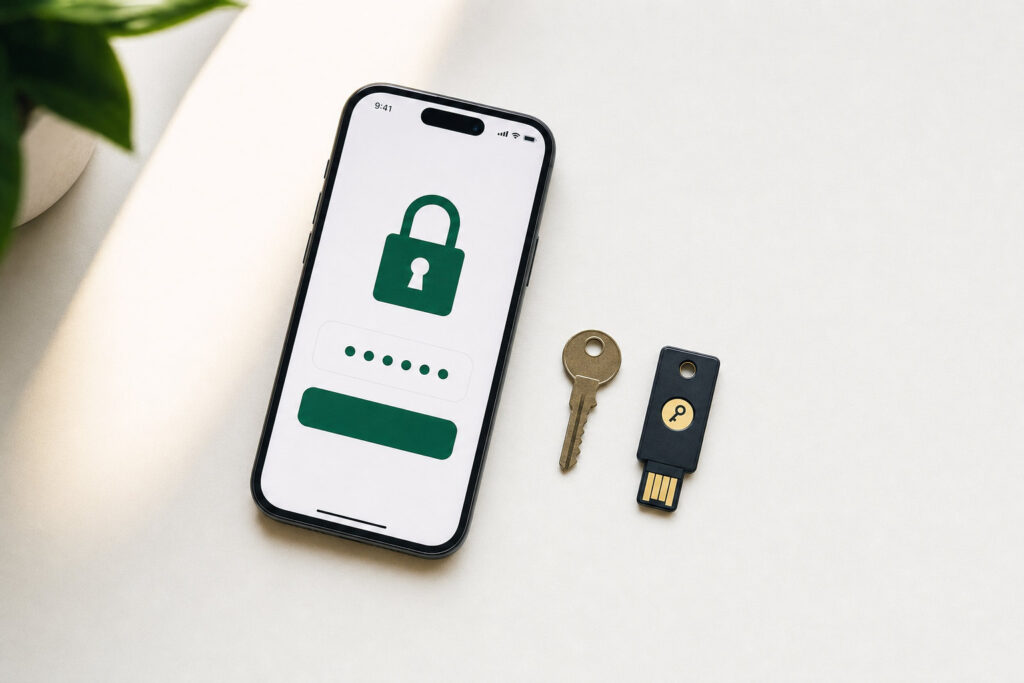
Password managers help generate and store unique, strong passwords for each membership, reducing the risk in case of breaches. Enabling multi-factor authentication further strengthens accounts by requiring a second step beyond just a password.
Limiting the amount of personal information shared on profiles, and reviewing app permissions regularly, can immediately decrease your digital exposure. Using alias email addresses when signing up creates additional separation between your online activities.
Effective personal data protection involves ongoing review of consent, such as checking cookie and ad preferences. Where available, consider enabling analytics or tracking opt-outs for extra privacy. Avoiding automatic social media logins can also lessen the extent of data sharing compared to using a traditional email signup.